Homes designed
around the way
you live.
Residential design in Delhi NCR is about more than selecting beautiful furniture and finishes. It brings together architecture, space planning, storage, lighting, materials and lifestyle to create a home that is comfortable, functional and visually distinctive.

A beautiful home begins with understanding the people who live in it.
Successful residential design connects the character of a property with the everyday routines of its residents. Furniture, storage, lighting, finishes and colours should support how the home is actually used rather than simply following a visual trend.
Function
Plan each room around its real purpose.
Comfort
Create practical circulation and inviting spaces.
Character
Use materials and details to express personality.
Longevity
Choose solutions that remain useful over time.
Smart ideas for sophisticated homes across Delhi NCR.
From compact apartments to spacious villas and builder floors, these residential design principles can be adapted to different property types and lifestyles.

Begin with intelligent space planning.
Start with the floor plan before selecting furniture. Understand room dimensions, openings, columns, circulation and natural light so every major decision works together.

Choose furniture for proportion.
Furniture should match the scale of the room. A well-proportioned sofa, dining table or bed can make the entire home feel more comfortable and balanced.

Create a cohesive material palette.
Wood, stone, laminates, glass, metal, fabrics and wall finishes should be considered together rather than selected as isolated elements.

Make the kitchen work beautifully.
Residential kitchen design should combine workflow, storage, appliances, work surfaces and lighting while maintaining a visual relationship with adjoining spaces.

Design bedrooms around daily routines.
Bed placement, wardrobes, bedside tables, dressing zones, study areas and lighting should reflect the person using the room.

Integrate storage into the architecture.
Full-height wardrobes, TV units, entry storage, utility cabinets and concealed storage can help maintain a clean and organised residential interior.

Layer ambient, task and accent lighting.
Different lighting levels make residential spaces more flexible. General illumination can be combined with reading lights, bedside lights and accent fixtures.

Add warmth with natural textures.
Wood, fabrics, rugs, plants, stone and tactile wall finishes can soften contemporary interiors and add depth without excessive decoration.

Establish a consistent colour story.
A restrained base palette can make different rooms feel connected. Accent colours can then introduce personality through furniture, artwork and accessories.
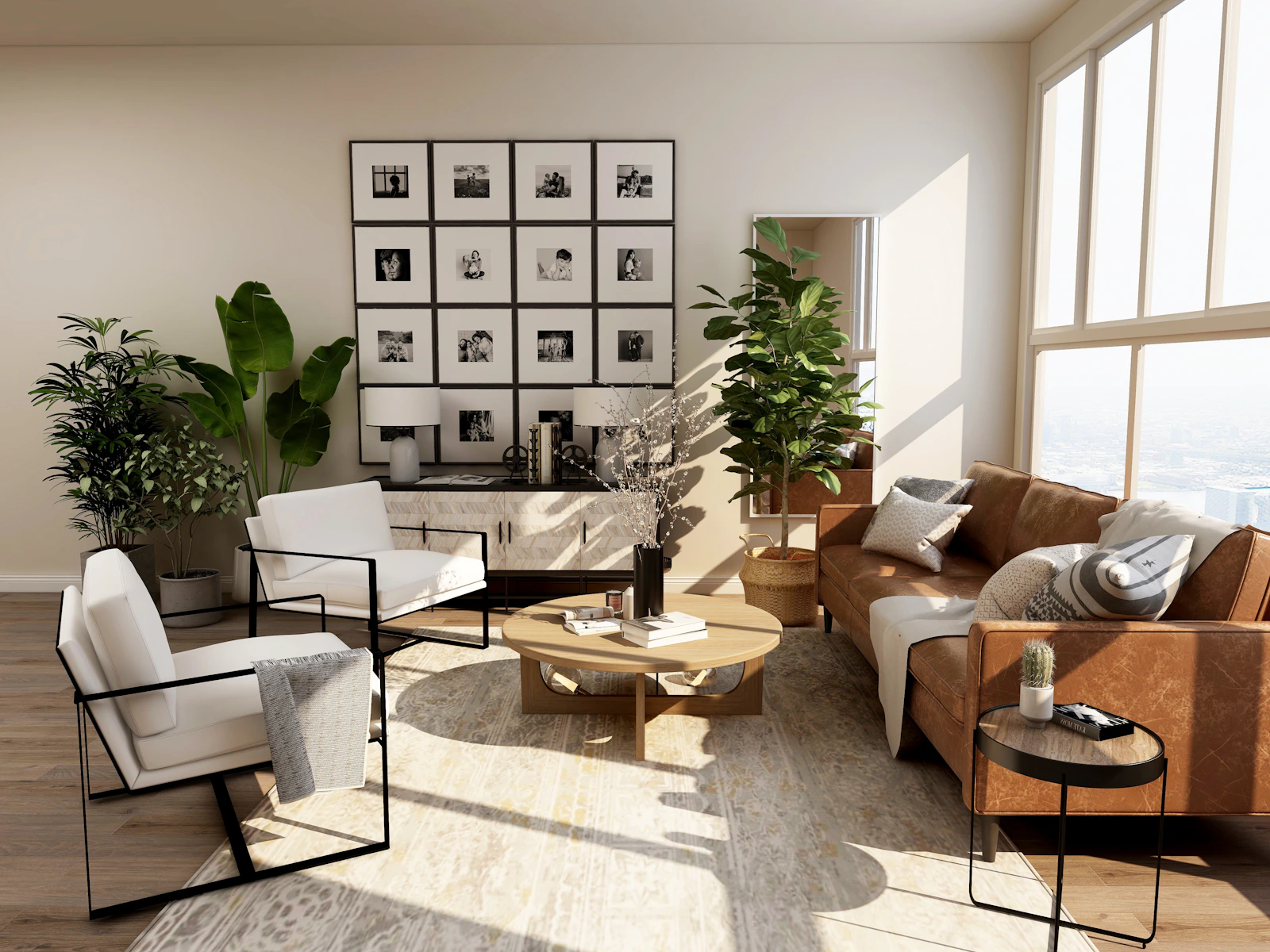
Let the home reflect its residents.
Artwork, books, collections, fabrics and carefully chosen decorative objects can give a residential interior a more personal identity.

Design the entire home as one story.
Individual rooms can have their own character while sharing materials, colours, hardware or architectural details that visually connect the complete residence.

The most successful homes look beautiful because they work beautifully.
Residential design should begin with lifestyle. How does the family spend time together? Where is work done? How much storage is needed? Does the living room host guests? Is the kitchen used every day?
Answers to these questions create a stronger foundation than choosing a style first. Once the functional framework is established, colours, materials, furniture and decorative elements can give the home its visual identity.
This approach is particularly valuable across Delhi NCR, where apartments, builder floors and villas can have very different layouts even when they have similar room counts.
DISCUSS YOUR HOMEFrom floor plan to finished home in five considered stages.
A structured residential design process helps coordinate the many decisions involved in a complete home interior.
Understand
Learn about the family, lifestyle, requirements, preferences and priorities.
Measure
Study the floor plan, dimensions, openings, natural light and existing architectural conditions.
Organise
Develop layouts for furniture, storage, kitchen, wardrobes, lighting and circulation.
Refine
Coordinate materials, colours, furniture, finishes and decorative elements.
Deliver
Translate the approved design into a coordinated, functional residential interior.
Exploring Residential Design in Delhi NCR
Residential design in Delhi NCR combines practical space planning with a carefully considered visual identity. A home is not simply a collection of rooms. It is an environment where people sleep, work, cook, entertain, relax, store belongings and spend time together.
Good residential interior design therefore needs to balance aesthetics with everyday function. The best results come from understanding the property’s architecture, the homeowner’s lifestyle and the long-term requirements of the household.
Across Delhi, Gurgaon, Gurugram, Noida and Greater Noida, residential properties range from compact apartments to premium high-rise homes, builder floors, villas and independent houses. Each property requires a design response suited to its specific dimensions and conditions.
What is residential design?
Residential design is the planning and design of spaces intended for living. It can cover the complete home or individual areas such as living rooms, bedrooms, kitchens, dining rooms, studies, bathrooms and entry spaces.
A residential designer considers room layouts, furniture, storage, lighting, colours, materials, finishes and decorative details. The objective is to create a home that feels coherent while responding to the needs of its residents.
Why residential design matters
A home may have excellent architecture but still feel uncomfortable if the furniture is poorly positioned, storage is inadequate or lighting has not been considered carefully.
Residential design brings these decisions together before implementation. This can improve both the appearance and usability of the finished home.
- Improves the use of available floor area.
- Creates better furniture circulation.
- Provides adequate storage.
- Coordinates lighting and electrical requirements.
- Creates a consistent material palette.
- Supports the homeowner’s lifestyle.
- Helps establish realistic design priorities.
- Creates a stronger visual connection between rooms.
Residential interior design in Delhi
Delhi contains a diverse residential landscape, including apartments, builder floors, independent homes and older properties. The design approach should therefore be based on the specific characteristics of the residence.
Existing walls, windows, natural light, ceiling heights, plumbing locations and structural elements can all influence the final design. A thoughtful residential design works with these conditions instead of treating every property as an identical blank canvas.
Residential design in Gurgaon and Gurugram
Gurgaon and Gurugram have a large selection of contemporary apartments, premium developments and builder floors. Many homeowners want interiors that feel modern and sophisticated while still providing practical storage and comfortable family spaces.
In larger apartments, residential design can also be used to create zones within open-plan living areas. Living, dining and kitchen spaces can remain visually connected while furniture, lighting and ceiling details establish individual functions.
Residential design in Noida and Greater Noida
Residential interiors in Noida and Greater Noida often require efficient planning of furniture and storage within apartment floor plans. The objective is to make every area useful without making the home feel overcrowded.
Full-height storage, multifunctional furniture, carefully planned wardrobes and visually lighter materials can be effective strategies for contemporary apartments.
Start with space planning
Space planning should be one of the first steps in a residential design project. Before selecting furniture or finishes, understand how people will move through each room.
Review:
- Room dimensions.
- Door and window positions.
- Balconies and external openings.
- Columns and structural elements.
- Existing plumbing points.
- Electrical points.
- Natural light.
- Air-conditioning locations.
- Circulation routes.
Modern living room residential design
The living room often serves as the social heart of a home. It may need to accommodate family conversations, guests, television viewing, reading and sometimes work.
Instead of filling every wall with furniture, create a defined seating arrangement. The sofa, chairs, coffee table, rug and entertainment unit should work as a composition.
A restrained material palette and carefully layered lighting can then make the room feel sophisticated without relying on excessive decoration.
Residential kitchen design
The kitchen should be planned around the way the household actually cooks. Storage, appliances, work surfaces, circulation and lighting are more important than simply choosing an attractive cabinet finish.
Contemporary residential kitchens can incorporate tall storage, concealed appliances, efficient drawers and carefully planned work zones while maintaining visual continuity with the rest of the home.
Bedroom residential design
Bedrooms should combine comfort, privacy and storage. Bed placement is generally the primary decision, followed by wardrobes, bedside tables, dressing areas and study zones where required.
Soft materials, warm lighting and a restrained colour palette can create a more restful atmosphere, while integrated storage helps keep the room visually organised.
Storage planning for residential interiors
Storage should be planned around actual household needs. The goal is not simply to create more cabinets but to place the right storage in the right locations.
- Entryway storage.
- Full-height wardrobes.
- Kitchen cabinets and pantry storage.
- TV and media units.
- Utility cabinets.
- Study and home-office storage.
- Bookshelves.
- Seasonal storage.
- Concealed storage.
Lighting in residential design
Lighting can dramatically influence the atmosphere of a home. A strong residential lighting plan combines ambient, task and accent lighting.
Ambient lighting provides general illumination. Task lighting supports activities such as reading or cooking. Accent lighting can highlight artwork, textured walls, shelving or architectural details.
Choosing materials for residential interiors
Materials should be selected according to appearance, durability, maintenance and budget. Flooring, cabinetry, countertops, wall finishes, hardware, glass and fabrics should be considered as one coordinated palette.
Natural wood tones, stone textures, neutral surfaces and subtle metallic details can create a contemporary residential character without making the design feel overly trend-driven.
Colour palettes for Delhi NCR homes
Neutral colours remain versatile because they provide a flexible background for furniture and artwork. Warm whites, beige, greige, taupe and natural wood tones can create a calm foundation.
Stronger colours can then be introduced selectively through accent furniture, artwork, curtains, rugs or feature walls.
Natural light and residential interiors
Natural light should influence furniture placement, window treatments, colours and material choices. Furniture should not unnecessarily block windows, particularly in compact apartments where daylight can make the room feel larger.
Window treatments should balance privacy and daylight control while supporting the overall residential design.
Residential design for 2 BHK homes
A 2 BHK home typically needs to accommodate shared living areas, two bedrooms, a kitchen and considerable storage within a defined footprint.
Priorities can include:
- Living and dining circulation.
- Efficient kitchen storage.
- Master bedroom wardrobe planning.
- Second bedroom flexibility.
- Work-from-home requirements.
- Entryway storage.
- Utility organisation.
Residential design for 3 BHK homes
A 3 BHK provides more room for personalisation. Different bedrooms can be designed for different users while the shared spaces maintain a consistent visual identity.
One bedroom may be a master suite, another may be designed for children and the third may function as a guest bedroom, study or multifunctional room.
Luxury residential design in Delhi NCR
Luxury residential design is not defined only by expensive materials. It is also about proportion, craftsmanship, detailing, comfort and a coherent experience throughout the home.
Premium residences may use custom furniture, natural stone, architectural lighting, detailed wall treatments, bespoke cabinetry and carefully selected artwork. The key is to use these elements with restraint.
Minimalist residential design
Minimalist homes focus on visual clarity, useful furniture, controlled materials and reduced clutter. This does not mean that the home needs to feel empty.
Warm woods, textured fabrics, artwork, plants and layered lighting can give a minimalist interior depth and personality.
How to personalise a residential interior
Personalisation is what transforms a professionally designed house into a meaningful home. Include elements that reflect the residents’ interests and history.
- Family photographs.
- Original artwork.
- Books and collections.
- Travel objects.
- Custom furniture.
- Favourite colours.
- Plants and natural elements.
- Textiles with personal significance.
Residential design and budget planning
A residential interior budget should be established before major design and purchasing decisions. Costs can include carpentry, modular furniture, civil work, electrical work, lighting, appliances, furnishings and decorative elements.
A practical approach is to separate essential requirements from optional upgrades. This allows the most important elements of the home to remain protected if the scope or budget changes.
Common residential design mistakes
One common mistake is buying furniture before finalising the room layout. Another is postponing storage planning until the end of the project.
Other issues include inadequate lighting, poor circulation, inconsistent materials, insufficient electrical points and selecting individual finishes without considering the entire home.
How to choose a residential interior designer
When selecting a residential interior designer in Delhi NCR, review the portfolio for projects similar to your property. Look for evidence of strong space planning, practical storage, material coordination and attention to detail.
It is also useful to understand what is included in the service: design development, drawings, material selection, procurement, project coordination, site supervision and installation may all form part of different service models.
What to prepare before a residential design consultation
- Floor plan or property drawings.
- Photographs of the existing rooms.
- Approximate room measurements.
- Inspiration images.
- Existing furniture to retain.
- Family requirements.
- Storage requirements.
- Preferred design styles.
- Approximate budget.
- Expected project timeline.
Residential design trends worth considering
Current residential interiors increasingly combine clean contemporary forms with warmer materials and more personalised details. Instead of following one rigid style, homeowners can combine modern furniture with natural wood, textured surfaces, artwork and soft lighting.
Flexible spaces are also becoming increasingly valuable. A guest bedroom can double as a study, a dining area can support occasional work, and storage can be integrated into architectural features.
Final thoughts on residential design in Delhi NCR
Residential design in Delhi NCR works best when aesthetics and function are considered together. The strongest homes are not simply decorated with attractive products; they are carefully planned around the people who live in them.
Whether you are designing a compact apartment in Noida, a contemporary home in Gurgaon or a builder floor in Delhi, the fundamentals remain the same: understand the space, understand the lifestyle, establish priorities and coordinate the design before execution.
A considered residential interior can make everyday life easier while giving the home a distinctive and timeless character.
Residential design tailored to Delhi, Gurgaon and Noida.
Different property types require different planning strategies. The design should respond to the actual architecture and lifestyle of each residence.
Delhi
Residential interiors for apartments, builder floors and independent houses, with emphasis on layout, storage, furniture, lighting and personalised details.
Gurgaon
Contemporary residential design for apartments, premium homes and builder floors, balancing refined aesthetics with practical family requirements.
Noida
Efficient residential design for Noida and Greater Noida homes, with careful planning of furniture, storage, kitchens, bedrooms and complete-home interiors.
Residential design FAQs.
What is residential design in Delhi NCR?
Residential design in Delhi NCR is the planning and design of homes according to their architecture, lifestyle, space requirements, budget and preferred aesthetic. It can include apartments, builder floors, villas and independent houses.
What does residential interior design include?
Residential interior design can include space planning, furniture layouts, modular kitchens, wardrobes, living rooms, bedrooms, lighting, storage, materials, colours, electrical planning and decorative details.
How can I make a Delhi NCR home look modern?
A modern Delhi NCR home can use a clean furniture layout, coordinated neutral colours, natural textures, layered lighting, concealed storage, contemporary materials and selected statement elements.
Is residential design different for Gurgaon and Noida apartments?
Residential design should respond to the specific floor plan, dimensions, natural light, architectural features and lifestyle requirements of each property. Gurgaon and Noida apartments can therefore require different planning solutions even when they have similar sizes.
How do I plan a 2 BHK residential interior?
A 2 BHK residential interior should prioritise living and dining circulation, kitchen functionality, bedroom storage, wardrobes, lighting and flexible furniture while maintaining visual continuity.
How do I choose a residential interior designer in Delhi NCR?
Review the designer’s residential portfolio, design approach, scope of services, material options, communication process, execution capabilities and ability to work within your home’s requirements and budget.
Your home deserves a design built around your life.
Begin with your floor plan, lifestyle requirements and design priorities, then develop a residential interior that feels personal, practical and refined.
Understanding Residential Design
Residential design is a specialized field focused on designing and planning living spaces that reflect both functionality and aesthetic appeal. This practice is paramount in creating comfortable homes that cater to the needs of families and individuals. Within bustling regions like Delhi NCR, residential design plays a significant role in shaping modern living experiences.
Significance of Residential Design in Delhi NCR
Delhi NCR, an ever-evolving urban landscape, presents unique challenges in residential architecture. With a growing population and changing lifestyles, the demand for innovative residential design solutions is on the rise. Successful designs not only maximize space but also ensure sustainability and comfort, integrating contemporary styles with the rich cultural heritage of the region.
Trends in Residential Design
The latest trends in residential design emphasize open floor plans, eco-friendly materials, and the use of technology to enhance living experiences. Homeowners in Delhi NCR are increasingly seeking designs that incorporate natural light, greenery, and efficient layouts, making the most of their living environments. These trends reflect a shift towards personalization in design, where each residence tells the story of its inhabitants.