

Choosing the right interior designer is one of the most important decisions in your home project. A good designer can save money, reduce stress, and deliver a cohesive result, while the wrong one can cause delays, cost overruns, and disappointment.
Here’s a clear, practical guide to help you choose the right interior designer with confidence.
1. Define Your Requirements Clearly First
Before meeting any designer, be clear about:
- Home size (2BHK, 3BHK, villa)
- Budget range (basic, mid-range, premium)
- Scope (design only, design + supervision, turnkey)
- Timeline expectations
- Preferred style (modern, minimal, luxury, Indian, etc.)
If you are unclear, designers will quote very different things—making comparison impossible.
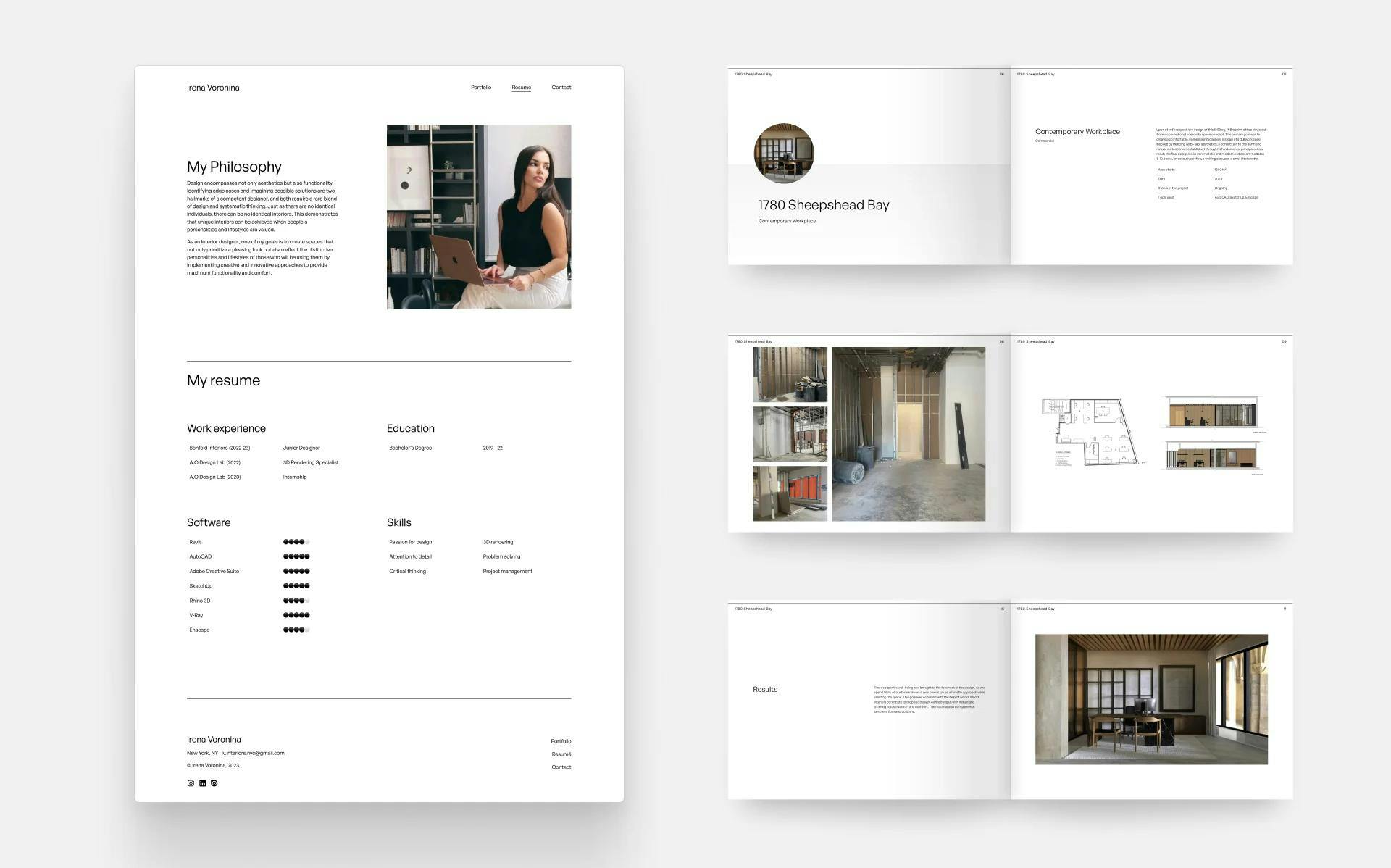
2. Review Portfolios (Not Just Instagram)
Always ask for real project portfolios, not just curated social media images.
Check for:
- Homes similar to yours in size and budget
- Consistency across rooms
- Practical layouts (storage, circulation)
- Finish quality, not just aesthetics
A good portfolio should show before–after or multiple angles, not only one hero shot.
3. Match Their Experience to Your Project Type
Not all designers are suitable for every project.
Choose:
- Apartment specialists for flats
- Renovation experts for old homes
- Turnkey designers if you want one-point responsibility
Experience in your project type and city matters more than fame.
4. Understand How They Charge (Very Important)
Ask clearly about their fee structure:
- Per square foot
- Flat fee
- Percentage of project cost
- Per-room (partial work)
Also confirm:
- What is included in the fee
- Number of 3D views
- Revision limits
- Supervision scope
Avoid designers who are vague about pricing.
5. Ask for an Itemised BOQ (Bill of Quantities)
A professional interior designer should be comfortable providing:
- Detailed material specifications
- Quantity breakups
- Brand and finish clarity
A BOQ protects you from hidden costs and helps compare designers fairly.
6. Check Their Material Knowledge
Good designers understand:
- Where to save money
- Where to spend for durability
- Pros and cons of laminates, veneers, acrylics, hardware
Ask questions like:
- Why this material instead of another?
- How long will it last?
- What is the maintenance like?
If answers are unclear, it’s a red flag.
7. Evaluate Communication & Transparency
You’ll work with the designer for months. Observe:
- Do they listen or push their ideas?
- Are timelines explained clearly?
- Do they respond promptly and clearly?
Good communication is more important than fancy design language.
8. Clarify Execution Responsibility
Ask:
- Who handles vendors and carpenters?
- Who supervises the site?
- How often are site visits?
- Who is responsible for delays or defects?
Misunderstanding execution responsibility is a common source of disputes.
9. Speak to Past Clients (If Possible)
If possible, request:
- One recent client reference
- Feedback on timelines and cost control
- Post-handover support experience
Even a short call gives valuable insight.
10. Trust Process, Not Just Personality
A good designer will:
- Document scope clearly
- Provide drawings before execution
- Follow structured payment milestones
- Stick to agreed specifications
Avoid choosing purely on friendliness or discounts.
Common Mistakes to Avoid
- Choosing the cheapest quote
- Falling for Instagram-only designers
- Not signing a written agreement
- Starting work without finalising materials
- Ignoring timelines and revision limits
Quick Checklist Before Finalising
✔ Clear scope & budget
✔ Relevant portfolio
✔ Transparent fees
✔ Detailed BOQ
✔ Defined supervision role
✔ Written agreement
Final Takeaway
The right interior designer is not the most expensive or the most famous—but the one who:
- Understands your needs
- Respects your budget
- Plans thoroughly
- Communicates clearly
Choosing wisely at the start can save time, money, and stress throughout the project.
If you want, tell me:
- Your home size
- Budget range
- City
I can help you decide what type of interior designer suits your project best.