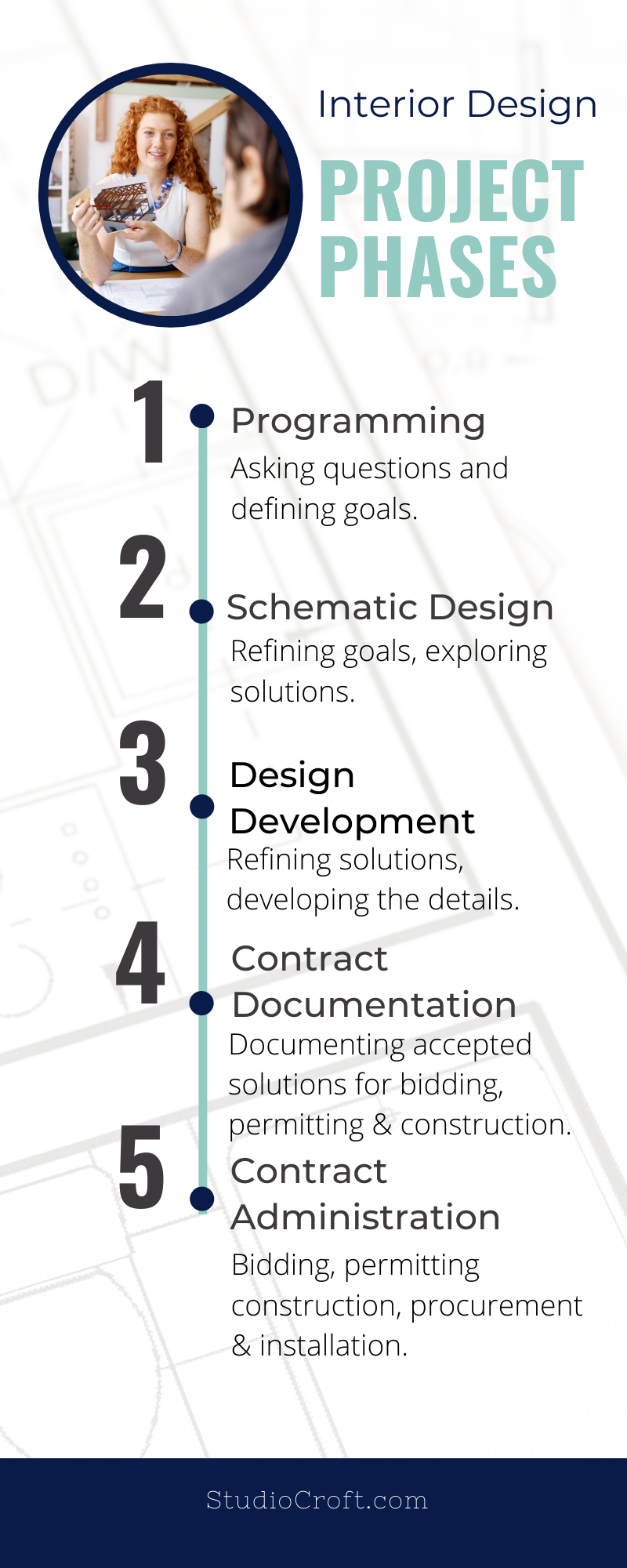

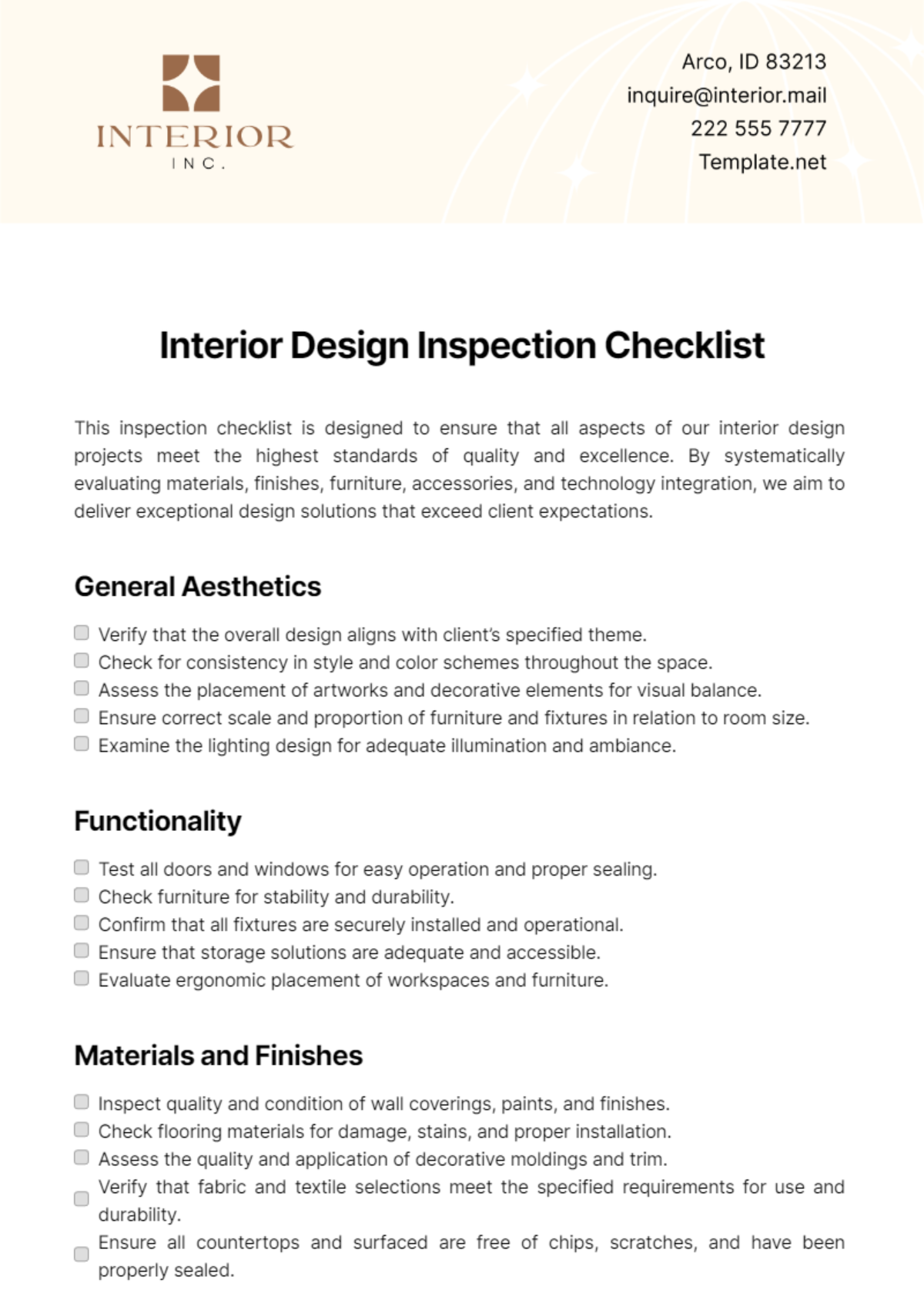

Interior design is rarely the smooth, linear process it’s advertised to be. Yes, interior designers make mistakes—but the more important truth is why those mistakes happen and when they should concern you.
This version looks at interior design mistakes from a homeowner’s lived experience, not a promotional angle.
The Real Reason Mistakes Happen: Interiors Are Built, Not Rendered
Most homeowners judge design based on:
- 3D visuals
- Pinterest references
- Sample photos
But homes are built on sites with constraints—uneven walls, late deliveries, human labour, and real budgets. Mistakes usually emerge when design thinking doesn’t fully translate into build reality.
Mistake 1: Assuming Everything Can Be “Adjusted on Site”
Some designers rely too heavily on on-site adjustments.
What goes wrong
- Electrical points shift
- Storage sizes change
- Clearances get compromised
Impact: A series of small compromises that reduce overall quality.
Mistake 2: Designing Room by Room Instead of as a System
A home is one connected system—lighting, storage, circulation, and budget are interlinked.
What goes wrong
- One room looks great but affects another
- Budget overspent early, forcing cuts later
Impact: Inconsistent quality across the home.
Mistake 3: Ignoring Human Behaviour Over Time
Designs sometimes forget:
- How storage fills up
- How cleaning actually happens
- How families grow or routines change
Impact: Regret sets in after a few months of use.
Mistake 4: Underestimating Execution Fatigue
Interior projects stretch over weeks or months.
What happens
- Attention drops
- Supervision reduces
- Small issues are ignored
Impact: Finish quality suffers toward the end of the project.
Mistake 5: Treating Changes as “Minor”
Late-stage changes feel small—but they ripple.
Examples
- Changing finishes after carpentry starts
- Moving lights after ceilings are done
Impact: Rework, delays, and extra cost.
Normal Mistakes vs Structural Failure
Normal, manageable
- Small dimension tweaks
- Adjusting layouts for site conditions
- Budget rebalancing with explanation
Structural failure
- Repeated errors
- No drawings or documentation
- Costs rising without approval
- Designer disengaging mid-project
One is part of building. The other is a warning sign.
Why Homeowners Feel Disappointed Even When Design Is “Good”
Disappointment usually comes from:
- Expectations not written down
- Visuals mistaken for guarantees
- Budget flexibility assumed by one side
- Responsibility not clearly defined
Most frustration is about misalignment, not incompetence.
How Strong Designers Keep Mistakes Small
Good designers:
- Plan more than they decorate
- Lock decisions early
- Say no when needed
- Take ownership during execution
- Communicate bad news early, not late
Mistakes don’t disappear—but they don’t escalate.
What You Can Do to Reduce Mistakes
- Finalise scope and budget early
- Approve detailed drawings, not just images
- Avoid late changes
- Demand written approvals
- Track every change against cost and time
A disciplined process protects your home more than design talent alone.
Final Takeaway
Interior designers do make mistakes—but mistakes are not the real risk.
The real risk is:
- Vague decisions
- Late changes
- Weak documentation
- Lack of accountability
When those are controlled, mistakes remain adjustments—not regrets.
If you’re unsure whether what you’re facing is normal or a red flag, describe the situation and I’ll help you evaluate it objectively.