


A bad interior designer usually reveals themselves early—often before work begins. Watch for these non-negotiable red flags to avoid cost overruns, delays, and poor results.
1. Vague or Evasive Pricing
- Gives only “ballpark” figures
- Avoids itemised costs or a BOQ
- Can’t explain what’s included/excluded
Why it’s a problem: Hidden charges surface mid-project.
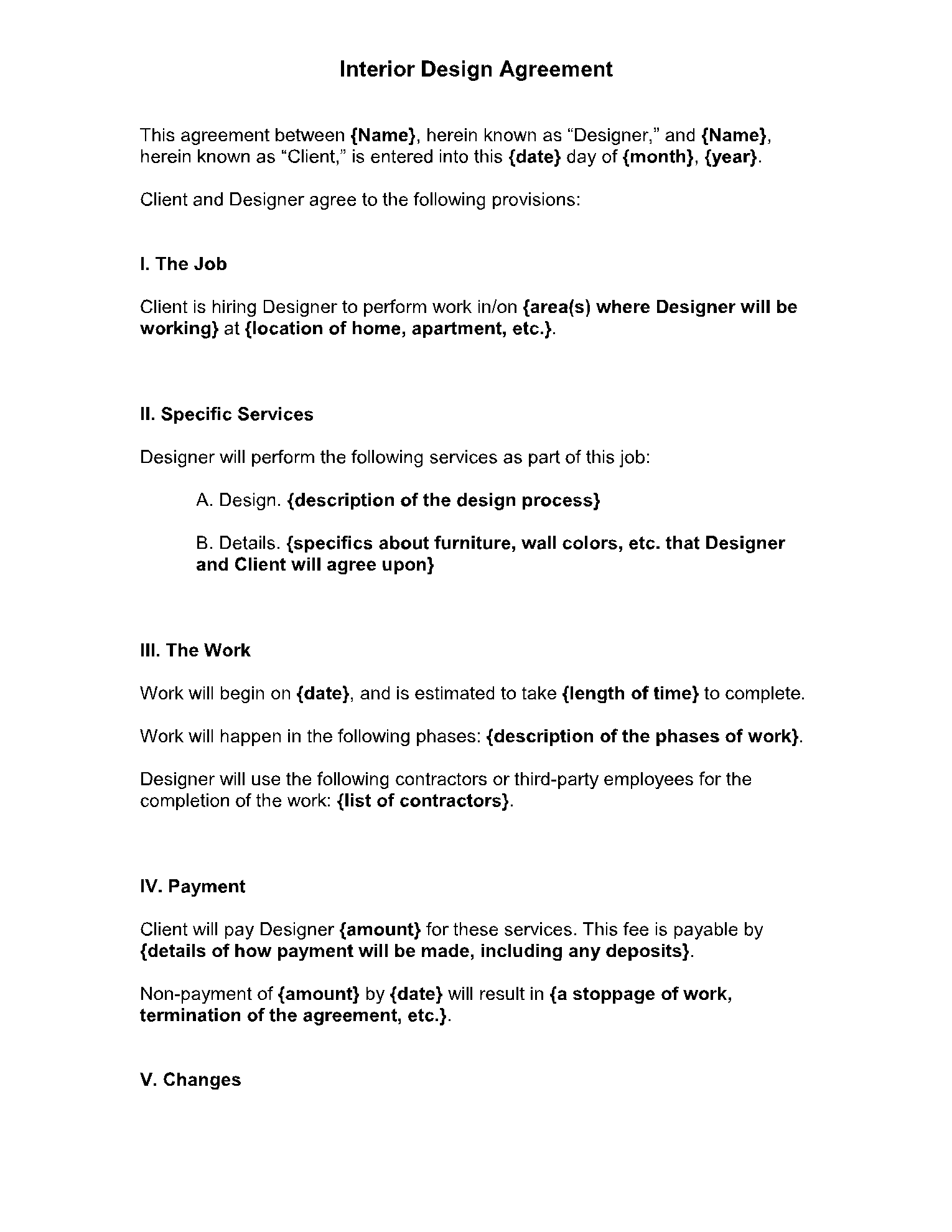
2. No Written Scope or Contract
- No clear deliverables, timelines, or payment milestones
- Everything is verbal
Why it’s a problem: Disputes become unavoidable.
3. Pushes Their Style, Not Yours
- Dismisses your lifestyle or preferences
- Shows the same look in every project
Why it’s a problem: You’ll get a showpiece, not a livable home.
4. Unrealistic Promises
- “Luxury look at a very low budget”
- “We’ll finish much faster than everyone else”
Why it’s a problem: Quality and timelines suffer.
5. Poor Portfolio Proof
- Only Instagram shots, no real project details
- No before–after photos or drawings
Why it’s a problem: Execution capability is unverified.
6. No Clear Deliverables
- Unclear number of 3D views
- No working drawings (electrical, carpentry, ceilings)
- Unlimited revisions promised
Why it’s a problem: Scope creep and delays.
7. Commission-Driven Recommendations
- Pushes specific brands/vendors without reasons
- Can’t justify material choices objectively
Why it’s a problem: Decisions may favour commissions over value.
8. Weak Communication Early On
- Slow replies, missed meetings
- Frequently changes details
Why it’s a problem: Communication usually worsens later.
9. No Supervision Accountability
- Unclear who visits site and how often
- Blames contractors for mistakes
Why it’s a problem: Design intent gets lost on site.
10. Full Payment Upfront
- Demands 100% before starting
Why it’s a problem: You lose leverage if issues arise.
11. No References or After-Handover Support
- Avoids sharing client contacts
- No defect-liability or post-handover help
Why it’s a problem: Problems after completion become costly.
What a Good Designer Does Instead
- Provides clear scope + itemised BOQ
- Sets realistic timelines
- Documents deliverables and revision limits
- Uses milestone-based payments
- Communicates clearly and consistently
Quick Decision Rule
If pricing, scope, or responsibility feels unclear or rushed, walk away.
If you want, share a designer’s proposal and I can review it for red flags before you commit.